Let’s go: The history of Singapore

The area’s first known settlement was established in the late thirteenth century, at which time it was known as “Sea Town.” Its current name dates from the fourteenth century, when a prince from nearby Sumatra was hunting on the island. Spotting an animal he’d never seen before, he named the area “Singapura”, from the Sanskrit words “simha” (lion) and “pura” (city). As a meeting point for the region’s sea routes, Singapore soon became a thriving trading post. On August 9, 1965, Singapore became an independent nation.
History, nature and fun: Places to visit in Singapore
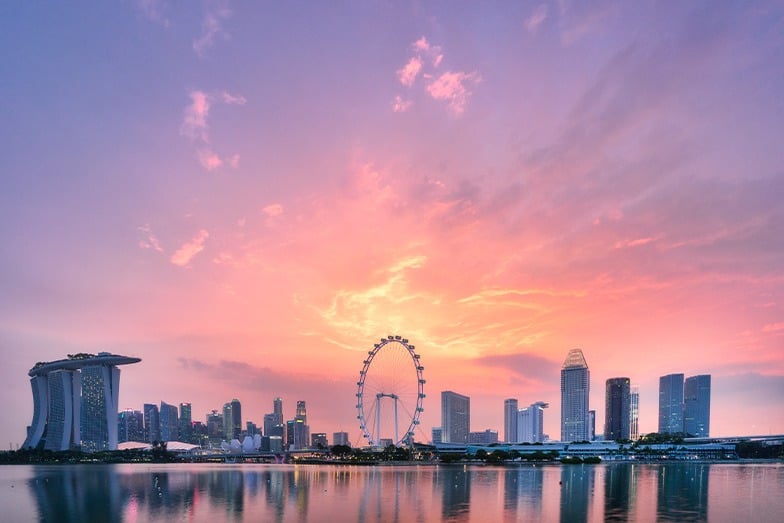
Despite its small size, Singapore has much to offer, from gardens to amusement parks and from museums to shopping.
Merlion Statue

The Merlion, a creature with the head of a lion and the body of a fish, is considered the city’s icon. The Merlion is depicted across the island in various forms, but the most prominent Merlion is at Merlion Park. Overlooking Marina Bay, the 8.6-meter-high statue towers over the bay, spouting water from its mouth.
Chinatown
With four sub-districts, Singapore’s sprawling Chinatown features Buddhist and Hindu temples as well as Muslim mosques. The neighborhood has a plethora of both traditional and contemporary shops, boutiques, and galleries, as well as restaurants, coffee shops and bars. The Chinatown Heritage Center, with six galleries of interactive exhibits, is a good place to start exploring the district. In addition, Singapore’s largest hawker center (food court) is at the Chinatown Complex.
Orchard Road

Orchard Road is perhaps Singapore’s best known thoroughfare and, in fact, it is renowned worldwide as a shopping district. Visitors can find high-end shops, upscale malls and posh department stores along with embassies, cinemas and both casual and fine dining establishments.
Marina Bay Sands

Built on reclaimed land, Marina Bay Sands is home to the luxurious Marina Bay Sands resort, a dramatic three-tower structure featuring an expansive rooftop infinity pool. The lotus shaped ArtScience Museum is here, as is the stunning Gardens By the Bay, a complex of indoor and outdoor gardens. There’s also an extensive waterpark for kids, along with plenty of upscale shops.
Singapore Botanic Gardens and the National Orchid Garden
Established in 1859, this lush 60-acre park is the island’s first UNESCO World Heritage Site. In addition to important horticultural and botanical research facilities, there are two museums and a children’s garden. Also here is the National Orchid Garden, which has more than 60,000 plants.
Singapore Flyer
Among the defining structures in the Singapore skyline, the Singapore Flyer offers stunning views of the city. The 165-meter-high Ferris wheel has air-conditioned glass capsules and is located in the Marina Bay area. For a truly unique experience, visitors can even enjoy dinner or cocktails on the Singapore Flyer.
Gardens by the Bay

Gardens by the Bay, as we noted earlier in this blog, is in the Marina Sands Bay area. The 101-hectare complex is separated into three areas. There are three enchanting indoor conservatories, heritage gardens and a special garden with desert plants, as well as dramatic vertical gardens, a 50-meter-high observation deck, and a lovely waterfront park.
Sentosa Island

Sentosa Island, a destination for both Singapore residents and tourists, has wonderful sandy beaches, along with an adventure park, indoor skydiving facilities, and one of the world’s largest aquariums. There’s also a nature trail with interactive exhibits, a waterpark, and a cable car up to Faber Peak, as well as Universal Studios Singapore – and much more. You’ll need several days to explore this exciting island resort, which also features hotels and dining facilities.
An unparalleled meeting of different cuisines: Dining in Singapore

Singapore’s cuisine is world-famous. The island’s Indian, Chinese and Malay inhabitants have shaped and influenced a diverse and vibrant food culture that also features Indonesian and western influences. While there are numerous award-winning restaurants that serve international fare, Singaporean cuisine is in a class of its own. Just to note: the island’s famous hawker centers are terrific places to sample a variety of dishes – and its tropical climate ensures a wide range of fantastic fruits and vegetables. Among the food highlights:
- Satay (grilled skewered chicken or meat served with spicy peanut sauce)
- Laksa (a spicy noodle soup in a coconut-based broth, usually served with shrimp or chicken)
- Chili crab (crabs stir-fried in a sweet/savory chili and tomato sauce)
- Roti prata or roti canai (Indian-style flatbread served with spicy curry sauce)
- Rojak (a salad of mixed vegetables, fruits and dough fritters served with a sweet/sour/spicy sauce)
- Hainanese Chicken Rice (poached chicken served with rice, soy sauce, chili sauce and broth)
- Durian (this fruit smells terrible but has a sweet, custard-like taste)
Useful Singapore notes

Architecture in Singapore
It’s worth noting that Singapore is home to a number of beautiful and interesting structures, ranging from contemporary museums to colonial-style villas to traditional shophouses and more. There are various agencies that offer walking tours focused on architecture.
Staying in Singapore
Singapore offers a range of accommodation options, though the city-state is known for its luxury hotels. However, lower-priced hostels and hotels are available, as are house rentals.
If you want to focus on the sheer pleasure of travel, let Turkish Holidays take care of making the arrangements. Holiday packages include flights, accommodations, transfers and more – it’s an easy and practical way to plan your trip!
Transportation in Singapore
Singapore has a robust and well-organized metro and bus network that offers access to almost everywhere in the city. Taxis, along with Uber and similar applications, are also available.
Getting from Changi International Airport to the city center
While there are two airports in Singapore, Seletar and Changi, Changi International Airport is the main and most-used airport. It is quick and easy to reach the city center from Changi Airport via airport express buses, the metro, public buses, taxis and private transfers.